

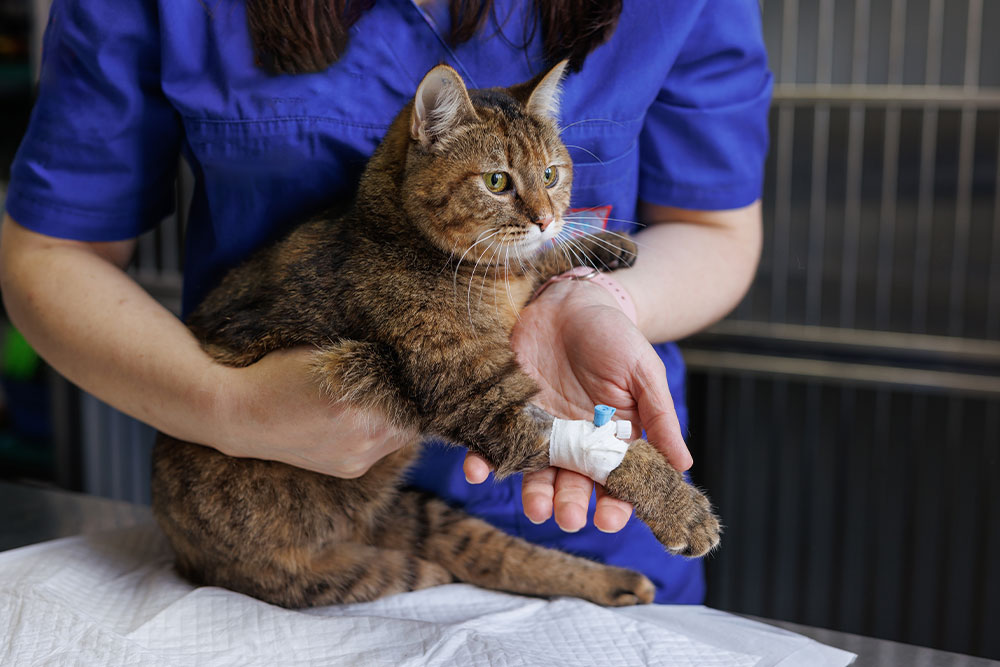
Autoimmune Blood Diseases in Dogs and Cats: IMHA, ITP, and More
Noticing sudden weakness, pale gums, unexplained bruising, or a pet that just does not seem like themselves can be frightening. Auto-immune blood diseases develop when the immune system mistakenly attacks healthy blood cells, disrupting oxygen delivery or normal clotting. These conditions often appear quickly and can escalate without warning, leaving families searching for clear answers and steady guidance. Early recognition and prompt evaluation play a critical role in stabilizing pets and protecting long-term quality of life.
At Greenfield Veterinary Clinic, our team takes a deeply personal approach to complex immune conditions, combining compassion with fast, in-house diagnostics to get answers without delay. With advanced on-site testing and the ability to manage urgent cases during open hours, we are equipped to evaluate and treat auto-immune blood disorders without immediately sending families elsewhere. If symptoms feel urgent or concerning, pet owners can reach out through our emergency services or schedule evaluation through our appointment request to begin care with a team that treats every patient like family.
When the Body Turns Against Itself: What Are Auto-Immune Blood Diseases?
Your dog collapses during a walk, or your cat refuses food and hides. You check their gums and they look ghostly pale. Moments like this are terrifying, and you need fast, clear guidance.
Auto-immune blood diseases happen when the immune system attacks healthy blood cells. Red blood cells carry oxygen, and platelets help blood clot. When these are targeted, pets can become anemic or bleed easily.
These diseases may be primary (no clear trigger) or secondary (linked to infections, medications, cancer, or immune complex disorders). Knowing which type your pet has helps shape treatment.
The immune system uses antibodies to fight germs. In these diseases, antibodies mistakenly attach to your pet’s blood cells and mark them for destruction, a process sometimes called cytotoxic antibody reactions. Our in-house diagnostics help us quickly identify what’s under attack so we can act fast.
What Is Immune-Mediated Hemolytic Anemia?
Immune-mediated hemolytic anemia (IMHA) is when the immune system destroys red blood cells faster than the body can replace them. Tissues don’t get enough oxygen, and pets can decline quickly.
Common signs include:
- Extreme lethargy and reluctance to move
- Pale or yellow-tinged gums and skin
- Rapid, labored breathing
- Loss of appetite, increased thirst
- Dark orange or brown urine
- Collapse or severe weakness
IMHA can become life-threatening within hours. Jaundice (yellow gums or skin) occurs when the body processes large amounts of destroyed red blood cells. Dogs are affected more often than cats, and breed predisposition in Cocker Spaniels, English Springer Spaniels, Miniature Schnauzers, and Poodles means these breeds may benefit from closer monitoring.
Treatment for immune-mediated hemolytic anemia needs to start immediately. At Greenfield Veterinary Clinic, we can admit critical cases during open hours and start stabilization while our lab runs urgent tests.
How Can Tick-Borne Diseases Trigger IMHA?
Tick-borne infections are an important and sometimes overlooked trigger for immune-mediated hemolytic anemia. Parasites like Ehrlichia and Anaplasma can provoke the immune system into attacking red blood cells, and cases of IMHA secondary to Babesia demonstrate how these infections directly contribute to red cell destruction. This connection makes comprehensive tick disease testing essential when diagnosing anemia, since identifying and treating the underlying infection can sometimes resolve the immune attack entirely. Year-round tick prevention is one practical step owners can take to reduce exposure to these triggers.
Why Are Blood Clots a Concern During IMHA Treatment?
Dogs with IMHA face a paradoxical and dangerous complication: while their bodies destroy red blood cells, they also struggle to break down blood clots properly. This creates risk for blood clotting complications in IMHA, where clots (thrombi) can form in the lungs, abdomen, or limbs even during treatment. Warning signs requiring immediate attention include sudden breathing difficulty, limb pain or swelling, or collapse. Veterinarians may use anti-clotting medications in high-risk cases to reduce thrombosis risk, and close monitoring during hospitalization helps catch these complications early.
Understanding Immune-Mediated Thrombocytopenia
Immune-mediated thrombocytopenia (ITP) occurs when the immune system destroys platelets, which are needed to stop bleeding. Without enough platelets, even small bumps can cause significant bruising or bleeding.
Watch for:
- Small red or purple spots on skin, gums, or eyes
- Unexplained bruising
- Nosebleeds or bleeding from the mouth
- Blood in urine or stool
- Prolonged bleeding after minor cuts
- Weakness or collapse if internal bleeding occurs
Pets with immune-mediated thrombocytopenia may act normal until bleeding becomes severe, so early spotting of bruising can be lifesaving. Dogs are affected more often than cats.
Our team evaluates platelet numbers and appearance using both automated counts and a microscopic blood smear to rule out other causes of low platelets.
When Multiple Blood Cell Types Come Under Attack
Sometimes anemia and low platelets happen together, often called Evans syndrome. Pets face low oxygen from anemia and a high risk of bleeding at the same time.
This combination is more dangerous and may require stronger immune-suppressing treatment, blood products, and longer monitoring. Concurrent immune-mediated conditions carry higher risks, so early, coordinated care is essential.
At Greenfield Veterinary Clinic, we manage these cases in-house during the critical phase, adjusting treatment daily based on bloodwork and response.
How Do Veterinarians Diagnose These Conditions?
Diagnosis starts with your pet’s symptoms and a physical exam to check gum color, heart and lungs, and signs of bleeding. From there, blood tests guide next steps.
A complete blood count and blood smear help us assess:
- Red blood cell numbers and regeneration
- Platelet count and appearance
- White blood cells for signs of infection or inflammation
We may run specific tests to confirm immune involvement and search for triggers, such as a Coombs test, tick-borne disease screening, or imaging to look for underlying problems. Our approach to immune-mediated diseases focuses on understanding what’s happening and why.
Speed matters. Our in-house diagnostics return results quickly so we can begin treatment while your pet is stable.
What Treatment Options Help Pets Recover?
Treatment has three goals: stop the immune attack, support your pet through the crisis, and prevent complications.
Corticosteroids are the starting point for most pets. These medications calm the immune system and slow destruction of blood cells. Doses start high and taper over time.
- Additional immunosuppressive drugs, such as azathioprine, mycophenolate, or cyclosporine, may be added to improve control and reduce steroid side effects.
- Supportive care helps pets feel better and stay stable:
IV fluids for hydration and blood pressure
Oxygen for severe anemia
Anti-nausea medications and appetite support
Stomach protectants when needed
Close monitoring of vitals and bloodwork
Some pets need blood transfusions to get through the acute phase. Red cell transfusions improve oxygen delivery, and platelets may be used to help control severe bleeding.
Most pets need several days in the hospital at first. Once stable, they transition to home care with regular rechecks. Treatment often lasts months, with slow medication tapers to prevent relapse.

What Can Pet Owners Expect Long-Term?
Many pets reach remission, where blood counts return to normal and the immune attack stops. Some can eventually stop medication; others remain on low doses long-term.
The first few months are the highest risk for relapse, especially during medication tapering. Plan for bloodwork every two to four weeks early on, then less often as your pet stabilizes.
Steroids can cause increased thirst, urination, appetite, panting, weight gain, and a higher risk of infection. Other immune-suppressing drugs can affect the bone marrow or liver. Your veterinary team will monitor for side effects and adjust medications as needed.
Relapses can happen months or years later. Triggers include stress, infection, or unknown causes. Knowing the early signs and checking in quickly improves outcomes.
With timely care, many pets live full, happy lives after diagnosis. Prognosis depends on how sick your pet is at the start, how quickly treatment begins, the presence of complications, and how well your pet tolerates medications. Our wellness and preventative care helps support long-term health and early detection.
Supporting Your Pet Through Treatment at Home
Your role at home is crucial. Give medications exactly as prescribed. Don’t skip doses or stop suddenly unless your veterinarian advises it.
Keep a simple daily checklist:
- Gum color, energy, appetite
- Any bruising, bleeding, or dark stool
- Thirst and urination changes
- Vomiting or diarrhea
A short journal helps your care team spot trends. Bring it to rechecks. Keep your pet’s environment calm, avoid rough play, and limit strenuous activity during recovery. For pets with low platelets, prevent bumps and injuries.
Stay in close touch with your veterinary team. Call if you see pale gums, new bruising, trouble breathing, collapse, or if your pet seems off. Frequent, open communication helps us adjust care before small issues become emergencies. If you do feel your pet needs emergency veterinary care, we’re available during our normal hours– call us first to let us know you’re coming.
FAQs: Quick Answers for Concerned Pet Parents
What are the first signs I should watch for?
Pale or yellow gums, sudden weakness, bruising, nosebleeds, dark urine, or collapse. If you see these, seek care immediately.
How fast do these diseases progress?
IMHA and ITP can worsen within hours to days. Early treatment significantly improves outcomes.
Can tick prevention help prevent IMHA?
Year-round tick prevention reduces exposure to tick-borne diseases that can trigger IMHA, eliminating one important risk factor. While prevention won’t stop all cases (especially primary autoimmune disease with no clear trigger), it removes a known and avoidable cause.
Will my pet need a transfusion?
Sometimes. Transfusions support pets through the crisis while medications take effect. Your vet will decide based on bloodwork and symptoms.
Can my pet recover fully?
Many pets reach remission and live well. Some need long-term medication and monitoring to prevent relapse.
Is this contagious?
No. These are not contagious diseases. Secondary cases can be triggered by infections or other conditions, which your veterinarian will screen for.
Your Partner in Managing Auto-Immune Blood Disease
Auto-immune blood diseases are scary, but you are not alone. At Greenfield Veterinary Clinic, we combine advanced diagnostics with compassionate, family-centered care. With quick recognition and immediate veterinary care, many pets stabilize and go on to enjoy a good quality of life. Our team provides rapid testing, calm guidance, and personalized treatment every step of the way.
If you notice pale gums, unexplained weakness, bruising, or any concerning symptoms in your dog or cat, contact us right away. If it feels urgent, use our emergency services, or start with an appointment request. We are here to help, guide, and partner with you to protect your pet’s health. Schedule now so we can ease your worries and get your pet the care they need.


Leave A Comment