


Fragile Beginnings: When Puppies and Kittens Need Urgent Veterinary Care
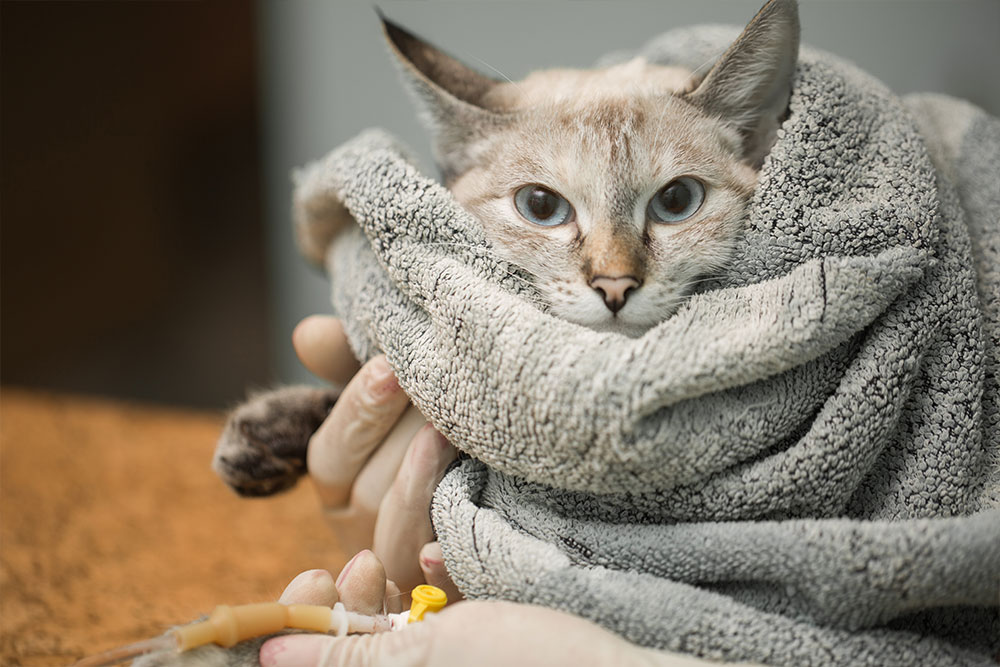
Young animals don’t have the reserves adults do, which means illness can strike hard and fast. Persistent vomiting, refusal to nurse or eat, and severe lethargy can all indicate an emergency. Quick recognition and immediate veterinary care are essential for keeping growing pets safe and thriving.
At Greenfield Veterinary Clinic in Milwaukee, our experienced team provides compassionate care for puppies and kittens during their most vulnerable months. With our in-house diagnostics and commitment to fitting you in when urgent situations arise, we help young pets get the immediate attention they need without the stress of an emergency room visit.
Why Young Pets Face Greater Emergency Risks
Puppies and kittens experience the world with boundless curiosity, but their bodies aren’t yet equipped to handle many threats. Their immune systems are still developing, making them vulnerable to infections that adult pets might easily fight off. Their small size means dehydration can occur within hours, not days, and their limited energy reserves leave little room for error.
What might be a minor issue in an adult animal can become life-threatening in a young one. A few episodes of vomiting or diarrhea can quickly lead to dangerous fluid loss. A slight decrease in blood sugar can cause seizures in toy breed puppies. Even a small wound or infection can overwhelm an immature immune system.
The rule is simple: when in doubt, seek veterinary care. Waiting to see if symptoms improve often allows conditions to worsen. At Greenfield Veterinary Clinic, we see emergencies during our normal hours- and we’d rather reassure you that everything is fine than have you wait too long to bring your pet in.
Recognizing Emergency Signs in Puppies and Kittens
Knowing what’s normal for your young pet helps you recognize when something is wrong. Healthy puppies and kittens are playful, curious, and eager to eat. Sudden changes in behavior, appetite, or energy level warrant immediate attention.
Breathing Problems That Require Immediate Care
Respiratory distress is always an emergency. Watch for open-mouth breathing in cats, wheezing, labored breathing, or blue-tinged gums. Young pets may develop breathing difficulties from infections, congenital defects, or airway blockages.
Keep your pet calm and seek emergency services immediately. Stress worsens respiratory distress, so handle your pet gently and minimize stimulation during transport.
Vomiting and Diarrhea: When Minor Becomes Major
Occasional stomach upset happens, but persistent vomiting or diarrhea- especially with blood- can dehydrate puppies and kittens rapidly. Parvovirus in puppies is a particularly dangerous viral infection causing severe gastrointestinal symptoms and requiring aggressive supportive care.
Consuming non-food items can cause gastrointestinal blockages. Common culprits are toys, string, food packaging, coins, remotes- really, anything is possible. Vomiting, lethargy, and lack of appetite are common symptoms, and surgery is typically needed to fix the blockage.
Intestinal parasites such as roundworms, hookworms, and coccidia are common in young animals and can cause similar symptoms. “Garbage gut” occurs when curious pets raid trash cans and consume spoiled food or toxic substances. This can cause severe gastrointestinal upset, pancreatitis, or poisoning. Our in-house diagnostics allow us to identify the cause quickly and begin treatment with fluids, deworming medications, and anti-nausea support.
Seizures and Neurological Symptoms
Convulsions, tremors, stumbling, or incoordination signal serious problems. Toxin exposure, head trauma from rough play or a fall, or neurological disease like epilepsy can all cause seizures in young pets. Managing seizures often requires medication and ongoing monitoring to prevent future episodes and identify underlying causes.
Trauma From Accidents and Injuries
Puppies and kittens are accident-prone. Falls, being stepped on, doors closing on tails or paws, car accidents, and bites from other animals all occur frequently. Signs of trauma include limping, swelling, bleeding, pale gums, or difficulty breathing.
If your pet is injured, keep them calm, control any bleeding with gentle pressure, and bring them in immediately. Even injuries that seem minor can cause internal damage or shock.
Toxin Ingestion and Household Hazards
Young pets explore the world with their mouths, making poisoning a constant risk. Human medications, household cleaners, chocolate, grapes, xylitol-containing products, and toxic plants can all cause serious illness. If you suspect toxin exposure, call the ASPCA Poison Control hotline and bring your pet in right away.
Symptoms of poisoning include vomiting, excessive drooling, tremors, seizures, and weakness.
Poisoning isn’t the only risk. Chewing electrical cords can cause burns, shocks, or even electrocution. Lacerations to the mouth can occur from chewing on sharp objects. Prevention is key: pet-proofing your home removes hazards before accidents happen.
Sudden Weakness, Collapse, and Refusing to Eat
Puppies and kittens need frequent meals to maintain energy and blood sugar. Going more than a few hours without eating is dangerous. If your puppy or kitten suddenly becomes weak or collapses, this is a critical emergency. Hypoglycemia is common in toy breed puppies and can cause sudden weakness, tremors, or loss of consciousness. Infections, heart problems, or severe anemia can also cause collapse in young animals.
Urinary Difficulties
Straining to urinate, crying during urination, or blood in the urine may indicate a blockage or infection. Male kittens are more at risk of urinary blockages, which can become life-threatening within hours. Any difficulty urinating requires immediate veterinary attention.
Eye Injuries and Problems
Young pets can scratch their eyes during play or suffer trauma that damages delicate eye structures. Cloudiness, swelling, discharge, squinting, or keeping an eye closed all suggest injury or infection. Prompt care prevents vision loss and reduces pain.
Behavioral Changes and Hiding
Sudden hiding, irritability, or withdrawal often signals pain or illness in young pets. Animals instinctively hide when they feel vulnerable, so a normally social puppy or kitten that suddenly isolates themselves needs evaluation.
Breed-Specific Vulnerabilities
Certain breeds face higher risks for specific emergencies. Brachycephalic breeds such as Bulldogs, Pugs, and Persian cats have shortened airways that make them prone to respiratory distress, especially in heat or during stress.
Large-breed puppies grow rapidly and are vulnerable to orthopedic injuries and developmental bone problems. Some breeds, like Cavalier King Charles Spaniels, are more prone to heart disease from mitral valve dysplasia, while Persian cats are at risk of polycystic kidney disease. Understanding breed-specific health risks helps you watch for early warning signs for your individual pet’s genetics, and take preventive measures.
Preparing Before Emergencies Happen
Having supplies ready before an emergency occurs saves precious time. Keep a first-aid kit that includes gauze and bandages, antiseptic wipes, a digital thermometer, tweezers, saline rinse, and emergency contact numbers for your veterinarian and poison control.
Prevention reduces emergency risks significantly. Pet-proofing is critical: keep electrical cords, small objects, toxic plants, and medications out of reach. Secure trash cans and remove choking hazards.
Know where to go and who to call. At Greenfield Veterinary Clinic, we prioritize urgent situations and work to fit you in instead of sending you to an emergency vet during our open hours. Save our contact information in your phone so it’s readily available.
Should You Consider Pet Insurance?
Short answer: Yes. Emergencies are expensive, and young pets often require intensive care when they become ill or injured. Pet insurance options provide financial protection and peace of mind, allowing you to focus on your pet’s care rather than cost when urgent situations arise.
Enrolling before any health issues develop ensures coverage for future emergencies and chronic conditions. Many policies cover accidents, illnesses, and even wellness and preventative care.
Common Questions About Puppy and Kitten Emergencies
How quickly should I respond to symptoms?
Immediately. Young pets deteriorate rapidly, and what seems minor can become critical within hours. Trust your instincts and seek veterinary care when something feels wrong.
Can I give over-the-counter medications?
No. Many human medications are toxic to pets, even in small doses. Never give any medication without veterinary guidance.
What’s considered normal behavior?
Healthy puppies and kittens are playful, curious, and eager to eat. They should have regular bowel movements, clear eyes, and good energy. Sudden changes in any of these areas are concerning.
Protecting Your Young Pet’s Health
Emergencies in puppies and kittens can escalate rapidly, but recognizing warning signs and acting quickly can save lives. Your young pet depends on you to notice when something is wrong and to seek help without delay.
At Greenfield Veterinary Clinic, voted Best in Milwaukee, our experienced veterinarians provide comprehensive care for puppies and kittens during their most vulnerable months. With our on-site lab, digital X-rays, ultrasound, and commitment to fitting you in for urgent situations, we’re here when your young pet needs us most.
Don’t wait when your puppy or kitten shows signs of illness or injury. Request an appointment or call us immediately so we can provide the expert, compassionate care your growing pet deserves.

Leave A Comment