

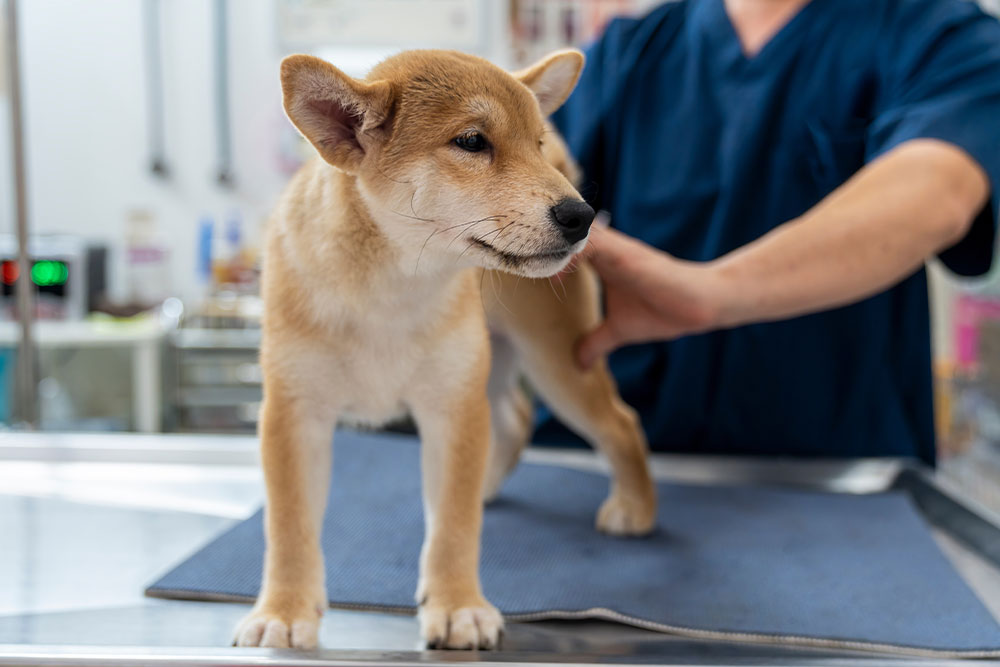
Choosing a Safe Dog Daycare: Vaccine Requirements, Staff Training, and Red Flags
It is always a fantastic feeling to watch your dog run a few joyful laps around the living room or happily bounce off to play with another canine in the park. Dog daycare can be a great solution for busy owners, but choosing the right one takes more than a quick tour. A safe daycare should protect your dog’s health, support positive social behavior, and prevent avoidable injuries or contagious disease exposure.
Deciding on a dog daycare is a major decision for any pet owner, and it is crucial to make choices that support your dog’s long-term health and safety. Here at Greenfield Veterinary Clinic, we treat every dog who walks through our door like family, and we can guide you through the essentials of canine health and safety needed for dog daycare, including making sure all necessary wellness and preventative care are up to date. We want you to feel confident that your dog is protected, so feel free to schedule an appointment or contact us if you have any questions about vaccine requirements or general safety as you search for the best fit.
Dog Daycare Basics: What Matters Most
A good daycare provides safe play, structured rest, and attentive supervision. It should also match dogs thoughtfully, respond quickly to stress signals, and communicate clearly with owners. Many dogs thrive in daycare because it meets real needs: exercise, enrichment, and social practice in a consistent routine. Socializing your dog in a structured environment builds confidence, reduces boredom-related behaviors, and helps them develop the skills to interact calmly with unfamiliar dogs and people. At the same time, quality varies widely between facilities, which is why asking detailed questions is not overkill.
Look for these basics:
- Staff trained to recognize stress signals and prevent conflict
- Appropriate staff-to-dog ratios based on energy level, not just headcount
- Grouping by size, age, and play style, with gradual introductions
- Clear policies, transparent communication, and written incident reporting
Before any trial day, we recommend a wellness touchpoint to confirm vaccines, parasite prevention, and behavior readiness. Our wellness and preventative care visits also include simple behavior coaching to help dogs succeed in group environments.
Is Daycare Right for Every Dog?
Not always, and that is okay. Some dogs love group play, while others do better with smaller circles, calmer environments, or one-on-one attention. Daycare fit can also change over time, especially as dogs age, develop orthopedic changes, or become less tolerant of noisy play.
Dogs who do well in daycare typically show loose, wiggly body language, greet others easily, and can take breaks from excitement without prompting. They are curious in new environments and bounce back quickly after play. On the other hand, it is wise to pause if your dog hides, snaps when crowded, holds a stiff posture, or seems stressed during or after play. Difficulty settling after pickup or a spike in reactivity on daycare days are also signals to reassess.
Learning about dog tolerance helps set expectations. Every dog falls somewhere on the spectrum, and understanding where yours sits helps you choose the right environment for them.
When Boarding Is a Better Fit Than Daycare
If your dog is not a daycare candidate, that does not mean they cannot be well cared for when you are away. For dogs who prefer quieter settings, need individual attention, or have medical needs that make group play risky, veterinary-supervised boarding offers a safer, calmer alternative.
Our boarding and grooming facility is designed with these pets in mind. Dogs enjoy spacious, clean quarters with daily exercise, frequent one-on-one attention, and close observation from highly trained staff who notify our veterinary team if anything seems off. For cats, we have a dedicated feline boarding wing with private kitty condos, completely separate from dog areas to minimize stress.
Boarding with us is especially advantageous for pets with chronic illnesses, daily medication needs, or those recovering from surgery or orthopedic repair. The close proximity to veterinary care means your pet’s health is always being monitored, not just their playtime. And because we require current vaccinations for all boarding guests, you can trust that the environment is safe.
Is Daycare Safer Than a Dog Park?
If your dog enjoys playing with other dogs, you have probably weighed the options between a local dog park and a structured daycare. Both involve off-leash play, but the level of safety and oversight is very different.
At a public dog park, there is no screening for vaccination status, temperament, or health. Owners are responsible for their own supervision, and the quality of that attention varies dramatically. Dogs at parks may be undersocialized, reactive, or carrying contagious illness without anyone knowing. There is no trained staff monitoring play dynamics, stepping in when energy escalates, or enforcing rest breaks.
Dog parks can work well for certain dogs in certain circumstances, and many dogs enjoy them without issue. But if your dog tends to get overwhelmed in unstructured settings, has a history of reactivity, or has health conditions that increase their vulnerability to contagious disease, a supervised daycare provides a more controlled environment.
When Can a Puppy Start Daycare?
Puppies should not enter general daycare until their core vaccination series is complete, which is typically around 16 weeks of age. Their immune systems are still developing, and group environments carry real disease risk, particularly for parvovirus. Some daycares offer dedicated puppy groups with age-appropriate play and stricter health requirements, which can be appropriate once your puppy is further along in their vaccine series. Check with the facility and with us about specific timing.
What About Socialization Before Vaccines Are Complete?
This is one of the most common questions we get, and it is a good one. The critical socialization window for puppies closes around 12 to 16 weeks, and waiting until the full vaccine series is done to begin any socialization is not recommended. The key is choosing the right environment.
Structured puppy socialization classes are the safest option during the vaccination period. They require proof of age-appropriate vaccines and deworming, maintain controlled environments, and introduce puppies to new experiences in a positive, measured way. The importance of early socialization supports starting this process well before the vaccine series is complete, as long as the setting is appropriately managed.
Dog parks pose the highest risk for puppies. There is no vaccine verification, no temperament screening, no professional supervision, and a single negative experience during the socialization window can have lasting behavioral effects. General daycare falls somewhere in between: it offers more structure and health screening than a park, but it is typically designed for adult dogs and may be overwhelming for a young puppy.
Once your puppy has completed their vaccine series and had positive early socialization through puppy classes, they are usually well prepared to transition into a quality daycare. We can help you map out the timing during your puppy’s wellness and preventative care visits.
What to Look for on a Tour (and What to Avoid)
Start with a tour and ask direct questions. A reliable facility will answer clearly and show you their systems rather than brushing concerns aside. The goal is not “no conflict ever,” but a facility that prevents problems early and responds appropriately when they happen.
Healthy play is balanced, with frequent pauses and easy redirection. Dogs should look loose and social, not stiff or frantic. Learning to read canine body language can help you spot stress quickly. Facilities that prioritize safe group play should be able to explain how they interrupt rough play and enforce breaks. In general, toys and food should be avoided in group settings to prevent resource guarding.
When you tour, look for slow, controlled dog introductions rather than chaotic meet-and-greets, and ask how dogs are rotated to prevent overstimulation. True rest breaks should include quiet zones where dogs can settle, not just a pause at the gate. Ask about cleaning frequency for bowls, bedding, and play surfaces, and clarify toy and feeding rules to prevent resource guarding. Finally, discuss accommodations for seniors, dogs on medication, or pups that need mobility support so you know there is a plan tailored to your dog.
Be cautious about crowded playrooms with minimal supervision, rough play that continues unchecked, or dogs repeatedly trying to escape, hide, or shut down. Vague answers about cleaning, vaccination rules, or injury protocols are major red flags. If you want help preparing a daycare checklist, we can review your dog’s needs during a wellness and preventative care visit.
Vaccines and Parasite Prevention for Daycare
Most daycares require core vaccines plus group-risk protection. Typical requirements include:
- Rabies and DHPP or DAPP
- Bordetella
- Canine influenza (often required in higher-exposure settings)
- Leptospirosis in many parts of Wisconsin due to wildlife and puddles
Routine fecal tests help detect intestinal parasites, and year-round heartworm, flea, and tick prevention is recommended. If your dog has had recent vomiting, diarrhea, coughing, or nasal discharge, most facilities require a symptom-free period before returning. We confirm vaccine timing, provide documentation, and tailor prevention plans during wellness and preventative care visits.
What Contagious Diseases Spread in Daycare Settings?
Group settings increase exposure to contagious disease, even with good cleaning. The best prevention is vaccination, consistent parasite control, and keeping sick dogs home.
Parvovirus spreads through feces and can linger in the environment for months. Reputable daycares do not accept undervaccinated dogs, or mix puppies in with adult dogs until their full vaccine series is complete. If symptoms like severe vomiting and bloody diarrhea appear, our emergency services can triage quickly during open hours.
Leptospirosis spreads through contact with contaminated urine and puddles, making it a relevant risk in Wisconsin. It can also spread to people and cause multi-organ failure, which is why keeping vaccination current matters.
Oral papilloma virus spreads through mouth contact during play and causes wart-like growths on the lips and gums. Dogs with active oral papilloma virus lesions are often excluded from daycare until growths resolve. If you notice unusual bumps around your dog’s mouth, our in-house diagnostics can evaluate the lesions and rule out other causes.
Respiratory infections like kennel cough (Bordetella) spread quickly through shared air, surfaces, and water bowls. Canine influenza is more serious, and may add fever and fatigue to the picture. If your dog develops a cough after daycare, call ahead so we can isolate appropriately and evaluate with in-house diagnostics or emergency services during open hours.
What Parasites and Skin Issues Should You Watch for After Daycare?
Shared yards and close contact increase the risk of parasites and skin problems, which is why prevention and early detection matter. Routine fecal testing helps catch infections early, even when stools look normal. Giardia is a common intestinal parasite passed between dogs; some dogs can be asymptomatic carriers and it is extremely hard to clear from contaminated environments.
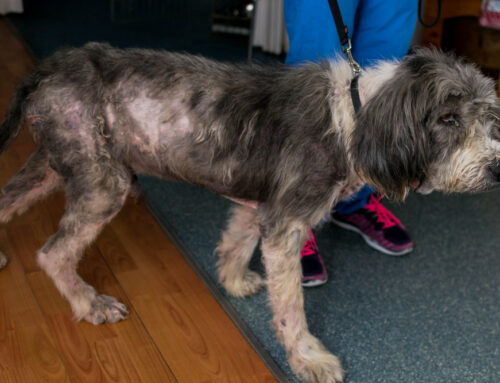
Keep an eye out for itchiness, scabs, or hair loss after group play. Common culprits include ringworm, fleas (especially if prevention lapses), and sarcoptic mange. If symptoms appear after daycare, we can evaluate and update parasite protection during a wellness and preventative care visit.
What Injuries Should You Check for After Pickup?
Even well-run daycares can have bumps and scrapes. Always check your dog after pickup, especially around the face, neck, legs, and paws. Minor scuffs can be cleaned with mild soap and water at home; use a cone to prevent licking if needed. You can always call us and ask if it is something that needs to be seen.
Eye irritation or squinting may signal conjunctivitis or a scratch on the cornea, not uncommon after rambunctious play. Any eye injury or eye pain should be seen promptly.
Bite wounds deserve special attention because they often look minor on the surface but can trap bacteria deep in the tissue. A small puncture can close over quickly and develop into an abscess or a serious infection days later. If you notice swelling, tenderness, warmth, or discharge around a wound after daycare, do not wait to see if it improves on its own.
How Do You Get Your Dog Ready for Daycare?
Trial Sessions and Honest Communication
The best daycare transitions happen gradually. Start with short trial sessions and keep drop-offs calm and brief. Share honest notes with staff about medication schedules, anxiety triggers, joint issues, allergies, or resource guarding so they can support your dog properly. Ask how the facility tracks behavior notes and fatigue, and check in after each visit.
Building Positive Associations
How your dog feels about daycare often comes down to how the experience is introduced. Short, positive first visits build confidence, while being thrown into a full day of group play too quickly can create lasting anxiety. Keep early sessions brief and follow them with something your dog enjoys at home so the association stays positive.
Pay attention to how your dog acts after pickup. You are looking for relaxed body language, normal appetite, and easy sleep that night. If your dog seems sore, unusually tired, anxious, or avoids other dogs for a day or two after attending, try shorter visits or talk with us about whether the environment is the right fit.
For dogs with mobility concerns, joint pain, or age-related changes, we can tailor exercise goals and discuss pain management options during wellness and preventative care visits so they can enjoy play safely, whether that is at daycare, at our boarding and grooming facility, or at home.

Quick Checklist: Questions to Ask Any Dog Daycare
- What vaccines and parasite prevention are required, and how are records verified?
- How are dogs grouped, introduced, and supervised, and what is the staff-to-dog ratio?
- What is the plan for rest breaks, outdoor time, weather extremes, and overheating?
- How are injuries, illnesses, and behavior scuffles handled and documented?
- What are cleaning protocols, including water bowls and bedding?
- How are seniors or dogs with medical needs supported?
- Do they offer puppy-specific groups or programs?
Your Vet Is Part of the Daycare Decision
Choosing a daycare should feel reassuring, not stressful. A strong facility will protect health, supervise play, require appropriate vaccines, and take rest seriously. Your veterinary team plays a key role in that process by updating vaccines, evaluating temperament, providing preventive guidance, and preparing the documentation daycares require.
If daycare is not the right fit for your dog, our veterinary-supervised boarding and grooming services offer a safe, comfortable alternative with daily exercise, one-on-one attention, and the peace of mind that comes from having a veterinary team nearby.
Whether you need a pre-daycare exam, vaccine updates, or help deciding between daycare and boarding, we are here to help. Schedule an appointment or contact us so we can make sure your dog is safe, healthy, and ready for great days ahead.
Frequently Asked Questions
What vaccines do most daycares require? Rabies, DHPP/DAPP, Bordetella, and often canine influenza and leptospirosis, plus year-round parasite prevention. Your daycare will specify timing, and we can update records during a wellness and preventative care visit.
How can I tell if my dog enjoyed daycare? Look for relaxed body language, normal appetite, and easy sleep that night. If your dog seems sore, anxious, or avoids other dogs afterward, try shorter visits or ask us about alternatives like boarding and grooming.
What are red flags on a daycare tour? Crowded playrooms, limited rest areas, harsh corrections, poor cleaning, and vague answers to safety questions. Ask about grouping, supervision ratios, and how incidents are documented and reported.
Is boarding better than daycare for some dogs? Yes. Dogs who are anxious in groups, have medical needs, or prefer quieter environments often do better in a veterinary-supervised boarding setting where they get individual attention and close monitoring. Our boarding facility is designed for exactly these pets.
When can my puppy start daycare? Most puppies should not enter general daycare until their core vaccine series is complete, typically around 16 weeks of age. Structured puppy socialization classes are the safest option during the vaccination period. Ask us about timing for your specific puppy during their wellness and preventative care visits.


Leave A Comment