

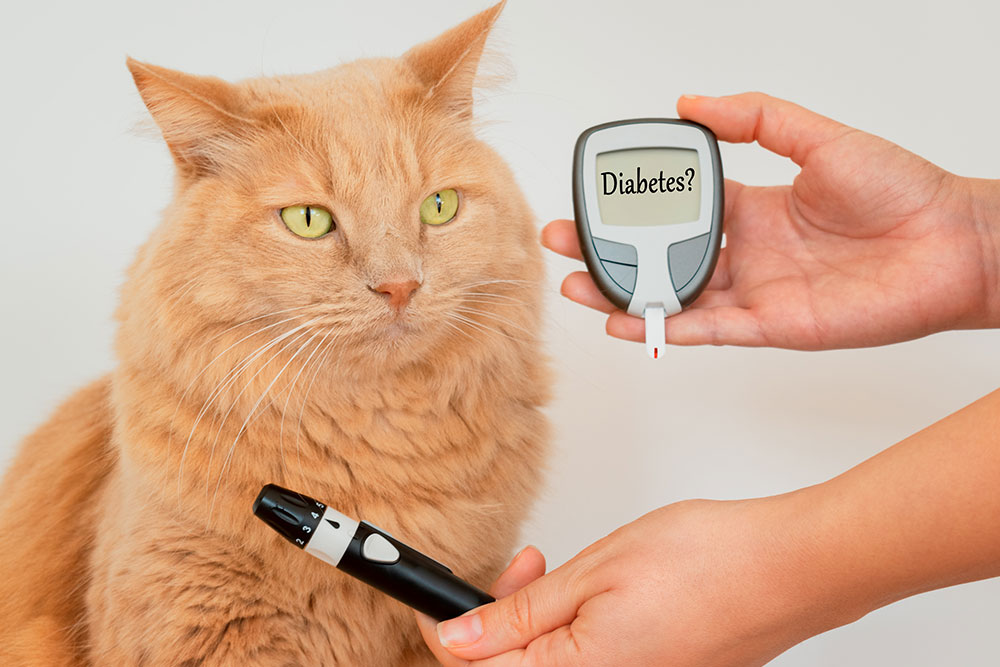
Diabetes in Cats: Recognizing the Signs and Managing for Life
Do you know the signs of diabetes in your cat? You might notice them suddenly draining their water bowl faster than usual or spending more time in the litter box, all while losing weight despite a healthy appetite. These changes can be alarming, but they’re often early signs of diabetes.
At Greenfield Veterinary Clinic, we understand how concerning these changes can be. Our team provides full wellness and preventative care and advanced in-house diagnostics to identify conditions like diabetes early, often before complications arise. Because our doctors perform most diagnostics and treatments in-house, we can start your cat’s care right away, without referrals or delays. If you’ve noticed any unusual thirst, urination, or weight loss, we encourage you to contact us for an exam. With timely diagnosis, a proper diet, and consistent insulin therapy, diabetic cats can live long, healthy lives.
Understanding Feline Diabetes
What Is Feline Diabetes?
Feline diabetes occurs when a cat’s body either doesn’t produce enough insulin or becomes resistant to it. Insulin helps regulate how the body uses glucose, the primary energy source for cells. Without it, sugar builds up in the bloodstream, leading to excessive thirst, urination, hunger, and weight loss.
The condition is fairly common in middle-aged and senior cats, especially those who are overweight or less active. It shares similarities with Type 2 diabetes in humans, where insulin resistance develops over time due to excess body fat. Left untreated, diabetes can affect the kidneys, liver, and other organs, making early detection essential.
Fortunately, many cats respond extremely well to insulin therapy and dietary adjustments, often regaining normal energy and behavior once blood sugar is controlled. Some cats may even experience remission if their condition is caught early and managed consistently.
At Greenfield Veterinary Clinic, our team tailors diabetic care plans for each cat. From insulin selection, dietary choice, and glucose monitoring techniques, we guide families step by step, helping them feel confident and supported in managing their pet’s long-term health.
Recognizing the Symptoms of Feline Diabetes
Early Signs and Diagnosis
The first signs of diabetes can appear slowly and may be mistaken for aging or mild changes in routine. Understanding diabetes symptoms helps owners spot warning signs early, especially in older or overweight cats.
Common symptoms include:
- Drinking or urinating more frequently
- Noticeable weight loss despite eating normally
- Lethargy or a decline in grooming habits
- Urinating outside the litter box due to increased frequency
- Change in gait, especially in the hind limbs
Because these symptoms overlap with other conditions such as kidney or thyroid disease, diagnostic testing is vital. During an exam, we perform bloodwork and urinalysis to confirm diabetes and rule out other causes. Elevated glucose levels in both blood and urine typically indicate the disease. Fructosamine and A1C testing is also useful for evaluating long-term glucose control.
Our on-site lab provides same-day results, so treatment can begin immediately. Our veterinarians use gentle handling and clear communication to make testing stress-free, and our nursing team provides practical coaching for at-home care.
Managing Feline Diabetes with Daily Routines and Veterinary Guidance
Treatment and Daily Management for Your Cat
Successful diabetes management depends on consistency and teamwork. Routine diabetes care includes ongoing blood glucose checks, weight tracking, and comprehensive wellness evaluations to ensure stability and comfort. Most diabetic cats require daily insulin injections, timed feedings, and regular exercise. The routine may seem daunting at first, but with support and clear instruction, most families find it becomes a manageable part of their day.
Our veterinarians provide hands-on coaching so you feel confident giving insulin and recording blood glucose levels at home. We’ll also review proper storage, syringe handling, and dosing to prevent accidental fluctuations.
Nutrition for diabetic cats is critically important. We recommend diets rich in high-quality protein and low in carbohydrates. Wet or canned foods are often ideal, as they promote hydration and better blood sugar control. Feeding smaller, consistent meals at the same times each day supports stable glucose levels.
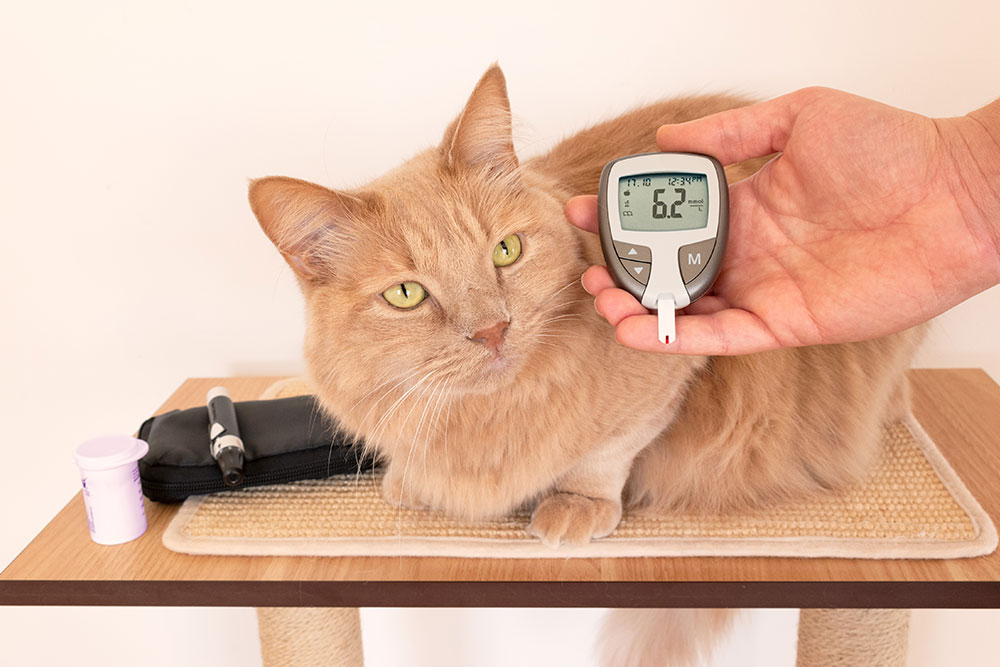
Blood glucose curves should be performed regularly and used to refine treatment plans as your cat’s needs change. Our in-house lab allows us to perform spot-checks or full glucose curves efficiently, adjusting insulin as needed without delay. In some cases, continuous glucose monitors can be used at home for more accurate testing without needing to prick your cat for a blood sample. If that’s not an option, glucose monitoring can be done at home with a glucometer- here’s a great video from the American Animal Hospital Association on how to test your cat’s blood glucose at home.
Exercise routines, while less critical than diet, can also help regulate blood sugar. Gentle play sessions and interactive toys encourage movement and prevent excessive weight gain- one of the biggest risk factors for relapse.
Potential Feline Diabetes Complications and Emergencies
Even with careful management, diabetic cats can experience fluctuations in blood sugar and other complications due to the excess glucose. Simple steps can prevent these complications, and recognizing the symptoms early can prevent life-threatening emergencies.
Common Diabetic Feline Issues
UTIs
Diabetic cats are significantly more prone to urinary tract infections because excess glucose in their urine creates an ideal environment for bacterial growth. High blood sugar levels also weaken the immune system, making it harder for pets to fight off infections naturally. Urinary tract infections can be painful and require prompt treatment to prevent serious complications.
Dental Care for Diabetic Cats
Dental disease poses a particular threat to diabetic pets because oral infections can make blood sugar levels harder to control, creating a dangerous cycle. Dental care is crucial for diabetics, as maintaining a healthy mouth helps stabilize glucose levels and supports overall health.
Diabetic Neuropathy
Diabetic neuropathy is a nerve disorder that can develop in cats with poorly controlled diabetes, causing weakness in the hind legs and an unusual “plantigrade” stance where they walk flat on their hocks instead of on their toes. Fortunately, diabetic neuropathy can often be reversed with proper insulin therapy and glucose regulation, though recovery may take several months.
Recognizing and Preventing Emergencies in Diabetic Cats
Hypoglycemia, or low blood sugar, can develop if a cat receives too much insulin or misses a meal. Signs include weakness, trembling, disorientation, staggering, or collapse. If you suspect hypoglycemia, rub a small amount of corn syrup or honey on your cat’s gums and contact us immediately for further instructions.
Another serious concern is diabetic ketoacidosis, which occurs when the body cannot use glucose for energy and starts breaking down fat instead. This produces toxic ketones, leading to vomiting, dehydration, weakness, and rapid breathing. It’s a medical emergency requiring immediate veterinary intervention.
Our emergency services are tailored to stabilize diabetic emergencies quickly. We provide hospitalization, IV fluids, insulin regulation, and close monitoring until your cat is safe to return home.
Long-Term Support for Your Diabetic Cat
Living with diabetes means embracing routine and partnership. Regular follow-up visits every few months allow us to review glucose data, adjust insulin, and monitor for other age-related changes such as kidney disease or dental problems. These check-ins ensure your cat’s health stays balanced and prevent avoidable complications.
Weight management remains critical for long-term success. Overweight cats are more likely to relapse or experience insulin resistance, while maintaining a healthy body condition often leads to improved energy, mobility, and even remission in some cases. Our veterinarians provide ongoing nutritional guidance to support these goals.
Managing Feline Diabetes with Compassion and Consistency
At Greenfield Veterinary Clinic, we make long-term care approachable and supportive. We offer rechecks to track progress, refill insulin, and fine-tune treatment, all with the same compassionate team you know and trust. Many of our diabetic patients return for years of healthy, active life, enjoying their routines just as before.
If you suspect your cat may have diabetes, or if you’re managing a newly diagnosed case, schedule an appointment with our caring team today. Together, we’ll create a plan that keeps your feline family member comfortable, confident, and thriving for years to come.



Leave A Comment