

Beyond Basic Blood Work: Comprehensive Health Screening for Senior Pets
Aging changes how bodies work. Kidneys filter less efficiently. Thyroid glands can over- or under-produce hormones. Blood pressure rises quietly. Joints wear down without obvious swelling. These shifts build slowly, so early stages are easy to miss without testing. Senior screening uses blood pressure checks, thyroid panels, blood and urine tests, and imaging to find issues early. Catching problems sooner often means simple treatments instead of crisis care.
Greenfield Veterinary Clinic in Wisconsin provides comprehensive senior screening through our in-house diagnostic capabilities. We measure blood pressure with pet-specific equipment to catch hypertension before it harms eyes or kidneys. Thyroid testing flags hyperthyroidism in cats and hypothyroidism in dogs early. X-rays help us spot arthritis sooner so we can manage pain before mobility declines. Most seniors benefit from screening every six months. Request an appointment to set a baseline or contact our team to discuss age-appropriate testing.
When Should Your Pet’s Wellness Visits Include Diagnostic Testing?
Don’t wait for symptoms to appear. Senior pet care recommendations include pairing hands-on exams with targeted tests. Together they give a clear picture and allow early, practical steps to keep your pet comfortable. Testing should begin when your pet is well to establish baselines, and proactively catch problems when they are still small. Diagnostic screening finds what exams alone can’t.
Organs don’t send alerts when they struggle. Kidneys and thyroids change gradually- panels flag hormone imbalances or organ dysfunction before weight and energy shifts worsen. Blood pressure can climb while your pet seems fine- regular checks catch hypertension before vision changes. X-rays explain vague signs like low appetite or thirst changes. Because pets naturally hide the symptoms of illness, even small changes should be taken seriously.
Why Older Pets Need More Than Annual Check-Ups
Twice-yearly visits with diagnostics catch issues when they’re most manageable. Preventive testing sets your pet’s baseline and tracks trends over time. A single result is a snapshot; trends tell the story. Because pets age so much faster than humans, changes can happen fast.
Early detection shapes care. Early kidney disease often responds to diet and medication. Early hyperthyroidism is easier to manage. Addressing arthritis sooner protects mobility. Our wellness and preventative care is customized by species, breed, size, and history, so your pet gets the right monitoring without excess testing.
What Complete Blood Panels Tell Us About Internal Health
Blood work uses a small sample to check vital systems. A complete blood count looks at red cells (oxygen), white cells (infection/inflammation), and platelets (clotting). A chemistry panel assesses liver and kidney values, blood sugar, proteins, and electrolytes.
Results reveal hidden issues. Anemia can suggest chronic disease. Elevated white cells suggest infection or inflammation. Rising kidney values signal declining kidney function. Higher liver enzymes suggest liver stress.
Veterinary diagnostic tests measure these values to guide treatment decisions. With our on-site lab, we can often review results the same day and outline next steps in clear, simple terms.
Thyroid Testing in Dogs: Why Slowing Down Isn’t Always “Just Age”
Low thyroid hormone in dogs (hypothyroidism) can cause low energy, weight gain, skin and ear problems, and hair loss. If your dog seems sluggish and heavier without diet changes, it’s worth a look.
A quick blood test confirms hypothyroidism. Most dogs perk up on daily medication, losing extra weight and feeling better within weeks to months. We’ll recheck levels to keep dosing right.
Some breeds, like Golden Retrievers, Dobermans, and Cocker Spaniels, are higher risk. For these dogs, we may screen in midlife before signs become obvious.
Thyroid Testing in Cats: Why Eating More but Losing Weight Matters
Cats often face the opposite issue: hyperthyroidism, or too much thyroid hormone. These cats may eat more but lose weight, act restless, vomit, or have diarrhea. Their hearts and kidneys take on extra strain.
Feline hyperthyroidism requires blood testing to measure thyroid hormone levels. Treatment options include daily medication, a prescription diet, or radioactive iodine therapy.
Untreated, hyperthyroidism can harm the heart, raise blood pressure, and speed up kidney decline. Treated early, most cats feel much better and live well for years. We monitor and adjust care based on follow-up tests and exams.
Blood Pressure Screening: Quiet Numbers, Big Impact
High blood pressure doesn’t hurt, but it can damage eyes, kidneys, heart, and brain. Pets may seem fine until sudden vision loss or other complications.
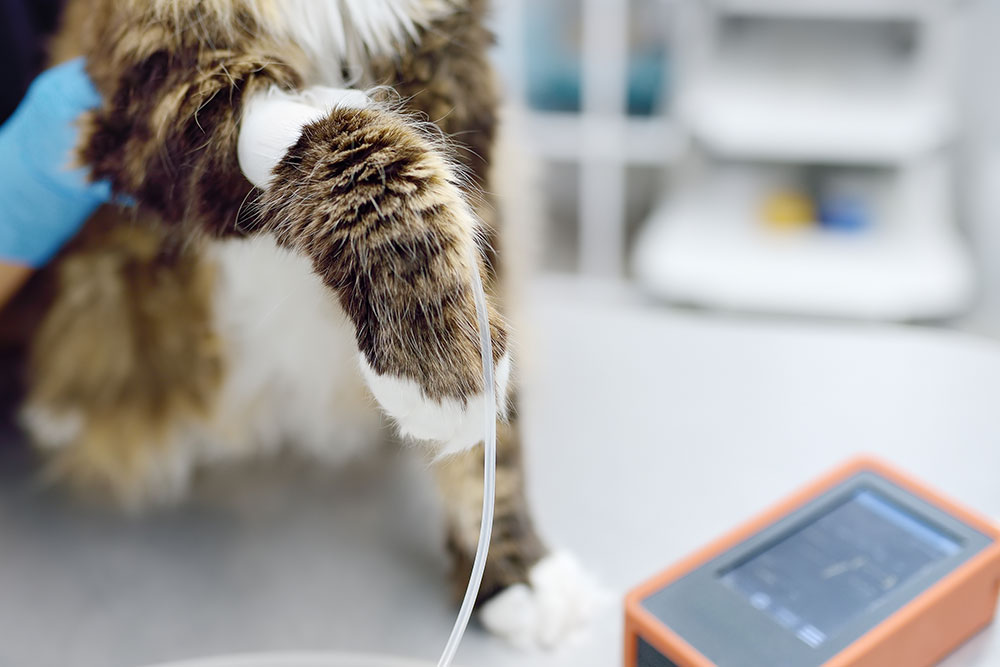
We use pet-safe cuffs and a Doppler device to measure pressure gently and quickly. If needed, medications lower blood pressure to protect organs. Diet and routine checks help keep it controlled.
We screen for systemic hypertension in seniors and in pets with kidney disease, diabetes, or thyroid disease. Early detection helps prevent serious events.
Urinalysis: Small Sample, Big Clues
A urinalysis checks concentration, protein, glucose, blood cells, crystals, and bacteria. Together with blood work, it gives a clear view of kidney health and hydration.
Catching chronic kidney disease early allows changes that can slow it down: prescription diets, blood pressure control, and hydration support. Protein in urine, for example, can signal kidney strain that needs prompt care.
Urinalysis can also point to urinary infections, bladder stones, or diabetes. With in-house testing, we can often guide same-day decisions.
Heart Health: Finding Problems Before They’re Serious
Your vet may hear a murmur or irregular rhythm during an exam. From there, simple tests can clarify what’s going on.
Chest X-rays show heart size and lung health. NT-proBNP testing screens for heart strain in senior pets. An echocardiogram uses ultrasound to look at heart chambers and valves in motion.
Heart disease diagnosis combines these tools to identify problems early. Early detection means medications, diet changes, and activity plans tailored to your pet. Our team monitors and adjusts care over time and reviews warning signs to watch at home. Our ultrasound capabilities allow us to perform echocardiography on-site for dynamic heart assessments.
X-Rays: A Closer Look Inside
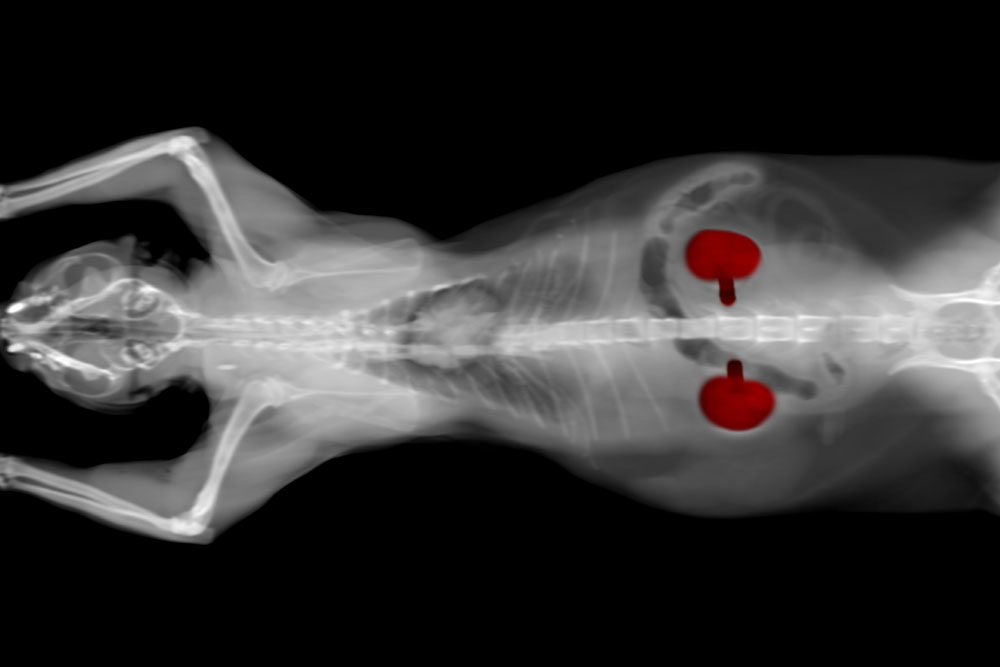
Radiographs help us evaluate the chest, abdomen, and bones. We use X-ray imaging to assess the heart and lungs, check organ size and position, find arthritis, and investigate cough, breathing changes, or belly pain.
Digital X-rays are quick, low-radiation, and high quality. Arthritis is often easy to see on X-rays and helps guide pain relief plans. Abdominal X-rays can reveal masses, foreign objects, or fluid that needs attention. Our digital X-ray system provides immediate results so we can discuss findings with you during your visit.
Ultrasound: Details X-Rays Can’t Show
When X-rays raise questions, ultrasound imaging offers real-time views of soft tissues like the liver, spleen, kidneys, and bladder. It’s non-invasive and comfortable for most pets.
Ultrasound can identify masses, cysts, stones, and fluid, and it can guide needle samples if needed. Imaging results combined with lab tests give a fuller picture, so we can plan care with confidence and often provide answers in one visit. Our in-house diagnostic capabilities include ultrasound for abdominal organs and pregnancy assessments, with the option to forward results to board-certified veterinary radiologists for specialist consultation when needed.
Cancer Screening in Senior Pets
Routine exams and imaging help spot lumps, enlarged lymph nodes, or organ changes that may indicate cancer in pets. Early detection can improve options and outcomes.
During exams, we check lymph nodes and skin for changes and feel the abdomen for masses. Blood work may also hint at internal disease. If cancer is suspected, we’ll discuss next steps, from sampling to treatment choices, always focusing on comfort and quality of life. Our microscopic cytology assessments allow us to evaluate ear, tissue, and fluid samples for preliminary cancer diagnosis right here in our clinic.
Liver Changes in Older Dogs
Blood work can flag liver strain, prompting imaging or further tests to find the cause. Liver disease can stem from inflammation, infections, toxins, cancer, or age-related changes.
Early signs can be mild: appetite dips, weight loss, thirst changes, vomiting, or yellowing gums. Starting care early often helps. Treatment typically includes diet changes and medications to support the liver, guided by regular rechecks.
Arthritis and Mobility: Keeping Seniors Comfortable
Arthritis is common in aging pets. Exams and X-rays help us judge severity and choose the right plan.
The best results often come from a mix of treatments: pain and anti-inflammatory medications, weight control, joint-friendly exercises for osteoarthritis, supplements, and home updates like ramps and non-slip rugs. We customize plans and adjust as your pet’s needs change.
Pain control isn’t one-size-fits-all. Some pets need more than one medication. Others do well with simpler plans plus lifestyle changes. Our goal is steady comfort and mobility.
Dental Health: More Than a Smile
Dental disease is very common in seniors and affects the whole body. Infected gums can cause pain, trouble eating, and inflammation that impacts the heart, liver, and kidneys. Dental care protects overall health, not just teeth.
Watch for bad breath, dropping food, drooling, pawing at the mouth, or avoiding kibble. Professional cleanings under anesthesia remove tartar above and below the gumline and allow for a full oral exam. Pre-anesthetic blood work helps ensure safety.
At home, daily brushing, dental chews, and water additives help. Our surgical center performs dental procedures with modern monitoring and pain control. We review findings and home care after each visit.
Building a Care Plan That Adapts as Your Pet Ages
No two seniors age the same. We use exam findings, test results, breed risks, and your observations to shape a plan that evolves.
Most senior pets do best with exams every six months. Pets with chronic conditions may need more frequent checks. We increase or reduce testing based on trends, new findings, and how your pet feels day to day.
Open communication matters. We explain why a test is recommended, what results mean, and how they guide treatment. You know your pet best, and your insights help us tailor care. Our wellness and preventative care approach is about comfort, dignity, and supporting your bond with your pet.
FAQs: Senior Screening, Simplified
How often should my senior pet be tested?
Most seniors benefit from diagnostics every six months. Pets with ongoing conditions may need more frequent checks based on their plan.
Which tests are most important?
Core screening often includes blood work, urinalysis, blood pressure, thyroid testing, and targeted imaging if signs warrant it.
Do cats and dogs need different tests?
Yes. Cats are prone to hyperthyroidism and kidney disease; dogs often face hypothyroidism and arthritis. We tailor testing accordingly.
Will my pet be stressed by these tests?
Most tests are quick, gentle, and well-tolerated. We use calm handling and can adjust our approach for anxious pets.
Can early detection really change outcomes?
Absolutely. Finding problems early usually means simpler treatments, better quality of life, and fewer emergencies.
Investing in Comfortable, Healthy Senior Years
Proactive screening gives your pet the best chance to age comfortably. Early answers lead to easier treatments, better outcomes, and more good days together. We’re here to help you make informed choices with less worry.
Our team understands how emotional it can feel to see your pet grow older. We’ll guide you through testing, treatment, and tough decisions with compassion. Ready to plan your pet’s senior screening? Schedule an appointment or contact us with questions. We’re your partner in keeping your pet comfortable, happy, and thriving.



Leave A Comment