

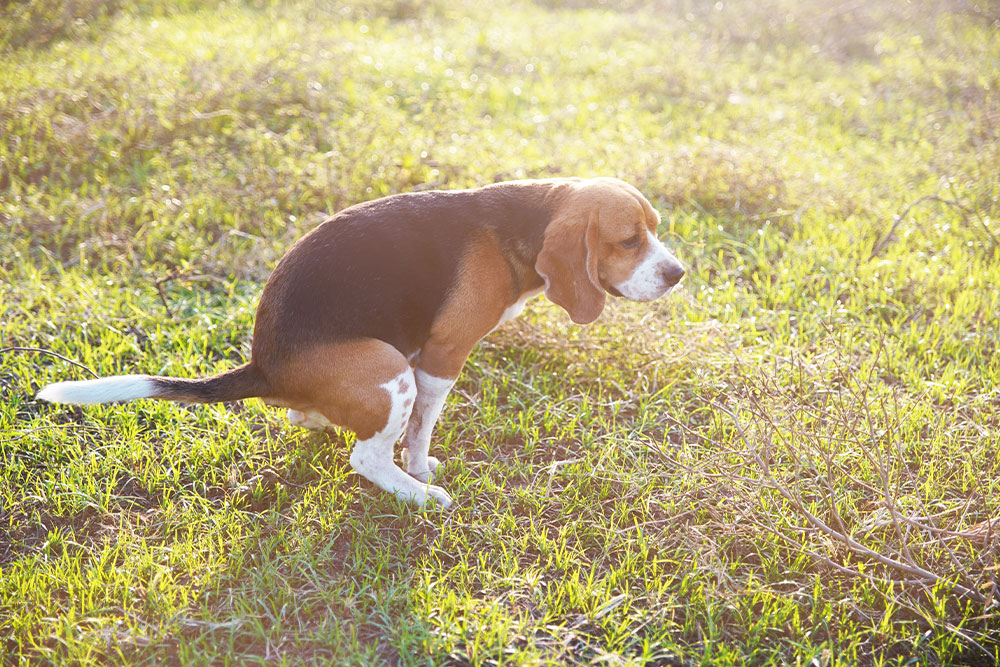
Diarrhea in pets is the kind of symptom that gets dismissed a lot in the early stages: ate something weird, got into the garbage, the usual. And often, that’s exactly what it is, a self-limiting disruption that resolves in a day or two without intervention. But sometimes it doesn’t. Recurring or persistent diarrhea that returns every few weeks, continues for more than 48 to 72 hours, comes with blood, or is accompanied by significant lethargy or vomiting is a different problem, one that warrants a proper veterinary evaluation rather than another round of chicken and rice.
Greenfield Veterinary Clinic has built its reputation on being the practice that doesn’t dismiss, defer, or hand out one-size-fits-all treatments. Our emergency services are available for acute situations during open hours, and we triage by phone so we can advise on next steps quickly. Request an appointment when the diarrhea won’t stay gone.
What Does Persistent Diarrhea Actually Mean for Your Pet?
Diarrhea is a symptom, not a disease. It’s the body’s way of saying that something has disrupted normal digestion or intestinal function, and the cause can range from simple to genuinely serious. The distinction that matters most for next steps is whether the diarrhea is acute or chronic.
- Acute diarrhea comes on suddenly and typically resolves within a few days. Most cases are caused by dietary indiscretion, mild infections, or transient stress.
- Chronic diarrhea persists for more than two to three weeks or recurs frequently. Chronic cases almost always have an underlying cause that needs to be identified and addressed.
The window in between, where diarrhea is more than transient but hasn’t yet become chronic, is often where you get stuck guessing. The longer the symptoms persist, the more useful a thorough evaluation becomes. Our in-house diagnostics let us run the necessary tests during the same visit so treatment decisions don’t wait on outside lab turnaround.
What Are the Most Common Causes of Persistent Diarrhea?
Dietary Indiscretion and Food-Related Triggers
This is by far the most common category. Pets eat things they shouldn’t, react to ingredients they’re sensitive to, or get switched to a new food too quickly. The good news is that food-related diarrhea often improves with simple management once the trigger is identified.
Common triggers:
- Spoiled food, garbage, or table scraps that introduce bacteria or unfamiliar fats and seasonings
- Sudden food changes without transitioning diets gradually; proper technique is swapping old food for new over 7 to 10 days
- Food allergies and sensitivities that produce chronic, low-grade GI symptoms with no obvious external cause (it’s almost always a protein, not grains)
- Spoiled or contaminated foods including treats and chews, which is why basic pet food safety practices matter. That old rawhide or bully stick your pet ate half of and buried in the backyard? It’s definitely growing something gross.
Choosing the right food is more important than most people realize, particularly for pets with chronic GI issues. For suspected food allergies, diet trials using novel protein or hydrolyzed protein diets are the standard diagnostic approach. Strict compliance for 8 to 12 weeks is essential. Over-the-counter “limited ingredient” foods aren’t appropriate for diagnostic trials.
Infections and Parasites
Bacterial, viral, and parasitic infections are major causes of persistent diarrhea, particularly in young or unvaccinated pets.
- Parvovirus in puppies causes severe, often bloody diarrhea with vomiting and rapid deterioration. Vaccination is the most important prevention.
- Panleukopenia (feline parvovirus) in unvaccinated kittens is similarly severe.
- Bacterial infections including Salmonella, Campylobacter, and Clostridium can cause acute or chronic GI symptoms- commonly from raw diets or puppies coming from density environments like shelters or pet stores
- Intestinal parasites including roundworms, hookworms, whipworms, giardia, and coccidia produce variable diarrhea, sometimes intermittent, and can persist for weeks if untreated.
Routine fecal testing is part of any persistent diarrhea workup. Even pets on parasite prevention can pick up infections that need targeted treatment. Vaccinations and parasite prevention is a key part of diarrhea prevention, and a part of every wellness visit at Greenfield.
Toxins and Household Hazards
Ingestion of toxic substances can produce sudden, severe GI distress that may rapidly progress beyond simple diarrhea. Pets that like to continuously taste-test your houseplants or raid your trash can have on-again-off-again diarrhea.
Common offenders:
- Human medications (NSAIDs, acetaminophen, antidepressants, ADHD medications)
- Certain foods (chocolate, xylitol-containing products, grapes/raisins, onions, garlic)
- Cleaning products and chemicals
- Toxic plants (lilies for cats are particularly dangerous)
- Rodenticides and insecticides
Pet-proofing your home reduces this risk significantly. If toxin exposure is suspected, don’t wait to see how things develop. Call us or poison control immediately. The window for effective treatment is often short.
Foreign Bodies and Partial Obstructions
Pets, especially the overly-curious ones, swallow things they shouldn’t. Gastrointestinal foreign bodies cause a wide range of symptoms depending on what was eaten and where it ends up. Complete obstructions are emergencies with severe vomiting, abdominal pain, and rapid decline. Partial obstructions are sneakier. They can produce intermittent diarrhea that comes and goes over days or weeks as some intestinal content squeezes past the blockage while inflammation and irritation continue. String, fabric, bones, rocks, and chewed-up toys are common culprits. Imaging is often needed to confirm the diagnosis, and surgical removal may be required if the object cannot pass on its own.
Chronic Conditions and Systemic Diseases
When acute and obvious causes are ruled out, ongoing diarrhea often reflects a more chronic condition:
- Inflammatory bowel disease (IBD) and gastrointestinal lymphoma causes chronic diarrhea, sometimes with vomiting and weight loss. Diagnosis often requires biopsy. It’s especially common in cats.
- Pancreatitis in dogs and cats causes severe vomiting and diarrhea, often with abdominal pain and lethargy. It can be acute or chronic.
- Exocrine pancreatic insufficiency (EPI) develops when the pancreas can’t produce enough digestive enzymes. Pets with EPI typically have large-volume, foul-smelling diarrhea, weight loss despite a healthy appetite, and a perpetually hungry demeanor. German Shepherds are particularly predisposed.
- Chronic kidney disease, liver disease, and hyperthyroidism can all present with chronic diarrhea as a secondary effect of the systemic condition.
- Endocrine disease including Addison’s disease in dogs, which can present with episodic GI symptoms.
These conditions need methodical diagnostic workup, not symptom management alone.
Stress and Anxiety
Stress is a real and often underappreciated cause of GI upset, particularly in cats. Common feline stressors include changes in routine, new pets or family members, moves, conflict with other household animals, and unmet environmental needs like vertical space or quiet hiding spots. Dogs are prone to stress colitis after boarding, travel, thunderstorms, or any disruption to their normal sense of safety. The diarrhea is often acute and self-limiting once the stressor passes, but recurrent or chronic cases warrant addressing the underlying anxiety as part of the treatment plan.
What Warning Signs Mean Your Pet Needs Immediate Veterinary Attention?
Some presentations of diarrhea cannot wait for a routine appointment:
- Bloody diarrhea (bright red blood, dark tarry stool, or significant volume of blood)
- Persistent vomiting combined with diarrhea
- Severe lethargy, weakness, or collapse
- Pale or white gums indicating shock or significant fluid loss
- Inability to keep water down
- Signs of dehydration including thick saliva, sunken eyes, or skin that doesn’t snap back
- Severe abdominal pain or a distended, hard abdomen
- Suspected toxin ingestion with subsequent diarrhea
- Diarrhea in puppies or kittens lasting more than a few hours
- Senior pets or pets with chronic conditions showing any persistent GI symptoms
Young puppies and kittens, senior pets, and those with pre-existing conditions are at higher risk for rapid deterioration. The threshold for seeking care should be lower for these vulnerable patients. Call ahead so we can triage by phone and prioritize your pet appropriately on arrival.
What to Expect During a Veterinary Visit
Diagnostic Testing and Evaluation
A thorough evaluation for persistent diarrhea typically includes:
- Detailed history including diet, recent changes, medication exposure, travel, and timeline of symptoms
- Physical exam including hydration assessment, abdominal palpation, and gum color check
- Fecal analysis for parasites and microscopic abnormalities
- Bloodwork to evaluate organ function, electrolytes, and signs of infection or inflammation
- Urinalysis when systemic causes are suspected
- Imaging including digital radiographs and ultrasound to evaluate intestinal walls, organ structure, and rule out obstruction
- Endoscopy to directly visualize the GI tract and obtain tissue samples when chronic disease is suspected
- Biopsy to distinguish between conditions that look similar on imaging
Our diagnostic capabilities include x-ray, ultrasound, and endoscopy, which lets us visualize the GI tract and collect tissue samples without major surgery. For cases requiring tissue evaluation that endoscopy can’t reach, our surgical center handles exploratory laparotomy and intestinal biopsy in-house.
Treatment Approaches and Supportive Care
Treatment is tailored to each pet’s diagnosis. Common approaches:
- Fluid therapy (subcutaneous or IV) to correct dehydration
- Anti-nausea and anti-diarrheal medications for symptom control
- Antibiotics for confirmed bacterial infections
- Antiparasitic treatment for confirmed parasitic infections
- Dietary management including prescription GI diets for the short or long term
- Probiotics to support the gut microbiome
- Immunosuppressive medications for IBD
- Specific treatment of underlying systemic conditions when identified
For pets requiring procedures, our laser surgery capabilities include CO2 laser for foreign body removal, mass excision, and other GI-related procedures, with reduced bleeding, less tissue trauma, and shorter anesthetic time compared to traditional approaches.
Follow-up matters as much as initial treatment. We monitor progress and adjust the plan based on how your pet responds, including repeat fecal testing, follow-up bloodwork when appropriate, and dietary adjustments over time. Dealing with chronic diarrhea can be frustrating and take time to get to the bottom of the real problem. Stick with it- we’ll help you get there.
How Do You Care for Your Pet at Home and Prevent Recurrence?
For pets with mild, acute diarrhea who are otherwise alert and stable, basic home care under our guidance can be appropriate:
- Hydration with small amounts of water available frequently
- Brief food fast of 12 hours for adult dogs (skip this for puppies, kittens, or small/diabetic pets)
- Bland diet reintroduction of plain boiled chicken and rice in small frequent meals
- Gradual transition back to normal food over 2 to 3 days as symptoms resolve
- Symptom logging with photos when stool appearance is concerning
If symptoms aren’t clearly improving within 48 hours, or if any concerning signs develop, the next step is a veterinary visit rather than another round of bland diet. Call us and we’ll get you in for an appointment or let you know what to do next.
Frequently Asked Questions About Diarrhea in Pets
How long should I wait before bringing my pet in for diarrhea?
For an otherwise healthy adult pet with mild diarrhea and no other symptoms, 24 to 48 hours of monitoring is usually reasonable. For puppies, kittens, senior pets, pets with chronic conditions, or any pet showing concerning signs (lethargy, vomiting, blood, significant volume), come in sooner.
My pet’s diarrhea keeps coming back every few weeks. Is that normal?
No. Recurring diarrhea has a cause, and finding it is what stops the cycle. Recurrent symptoms warrant a deeper diagnostic workup rather than another round of symptomatic treatment.
Can I give my pet over-the-counter human anti-diarrheal medication?
Don’t. Imodium and similar medications can mask serious problems and aren’t always safe in pets. Pepto-Bismol contains aspirin (toxic to cats). Always check with us before giving any human medication.
Should I just feed bland food long-term to manage chronic diarrhea?
Bland diets aren’t nutritionally complete and aren’t appropriate for long-term feeding. If your pet’s chronic diarrhea improves on bland food, that’s information about the cause, but the next step should be diagnostic workup and a long-term diet plan, not indefinite chicken and rice.
What if the diarrhea has blood in it?
Bloody diarrhea always warrants evaluation, even if your pet otherwise looks well. The cause matters, and waiting often makes diagnosis harder. Bright red blood typically indicates lower GI inflammation; black, tarry stool suggests upper GI bleeding.
Partnering With Your Veterinary Team for Digestive Health
Persistent diarrhea is exhausting for everyone, your pet most of all. The cycle of trying bland food, having things resolve briefly, then watching symptoms come back, is a sign that something underneath needs to be addressed properly. The pets who do best are the ones whose families stop guessing and bring them in for a methodical workup that gets to the actual cause.
If your pet is dealing with diarrhea that keeps coming back, or symptoms that are getting worse instead of better, our team is ready to help. Contact us to schedule a visit or to triage by phone before coming in. We’ve earned our reputation by treating clients like family and getting to the bottom of problems other practices have given up on.




Leave A Comment