

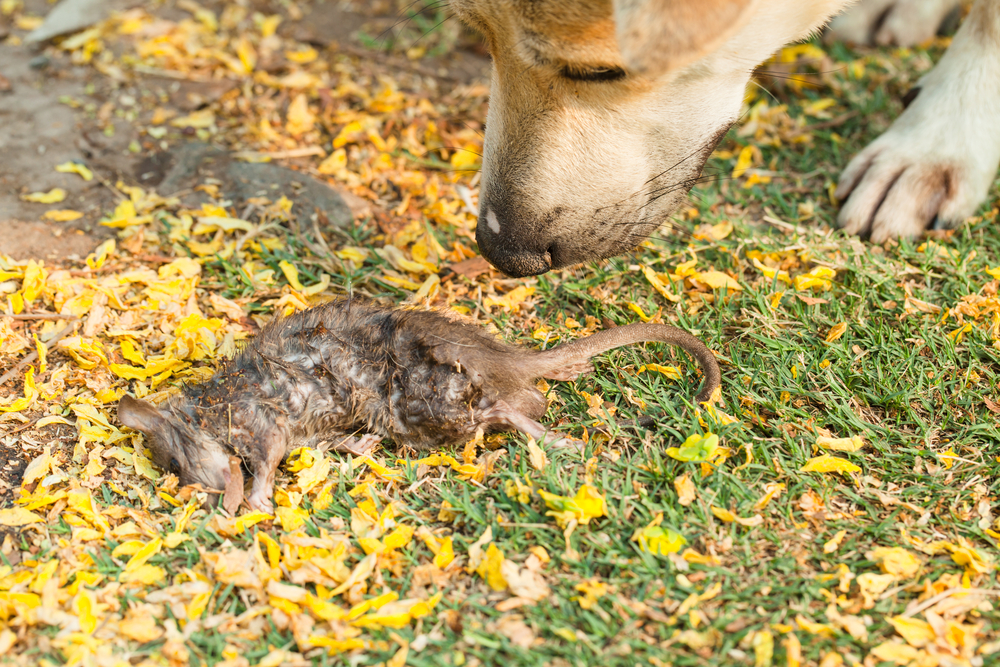
Rodent bait is designed to be appealing, and it is, unfortunately, often just as appealing to dogs as it is to the rodents it targets. The tricky thing about most modern rodenticides is that the toxic effects do not appear right away. An anticoagulant rodenticide may take three to five days to produce visible signs of bleeding, by which point treatment is still possible but significantly more involved than if it had begun immediately after exposure. Knowing what to do in the hours following a suspected ingestion is one of the most important pieces of information you can have.
Greenfield Veterinary Clinic has earned its reputation as Milwaukee’s best through a no-nonsense, relationship-focused approach to medicine, and toxin exposures are exactly the kind of situation where we want you calling us first. Our emergency services are available during open hours, and our team will tell you clearly what is needed rather than sending you somewhere else unnecessarily. Contact us immediately if you suspect rodenticide exposure.
Core Concepts
- Most modern rodenticides cause delayed symptoms; anticoagulants may take 2 to 7 days to produce visible bleeding, which means waiting to see if your pet looks okay is genuinely dangerous.
- Different active ingredients (anticoagulants, bromethalin, cholecalciferol, zinc phosphide) require completely different treatments, so saving the product packaging or photographing the label changes the entire treatment plan.
- Treatment within the first 2 to 4 hours of ingestion (when decontamination is still possible and before symptoms develop) gives the best prognosis across all rodenticide types.
- Pet Poison Helpline (855-764-7661) and ASPCA Animal Poison Control (888-426-4435) charge a consultation fee that is genuinely worth it, and the case number coordinates care with our team.
Why Is Rodenticide Toxicity So Dangerous for Pets?
Rodent baits are formulated with a flavor profile that is appealing to mammals broadly, not just rodents. Manufacturers add cereal grains, peanut butter, fish oil, or other taste enhancers to encourage consumption. That same palatability makes them dangerous to curious dogs and the occasional cat who manages to access them.
Several different active ingredients are used in modern rodenticides, and the type matters because it shapes both the symptoms and the treatment:
- Anticoagulant rodenticides (brodifacoum, bromadiolone, difethialone, warfarin): interfere with vitamin K-dependent clotting factors. They cause bleeding that may not appear for 2 to 7 days after ingestion.
- Bromethalin: causes brain swelling and neurological symptoms within hours to days. There is no specific antidote.
- Cholecalciferol (vitamin D3): causes severe calcium elevation that damages kidneys, heart, and other organs. Symptoms may appear within 12 to 36 hours.
- Zinc phosphide: releases toxic phosphine gas in the stomach within hours, causing severe vomiting, lung damage, and seizures.
- Strychnine (less common today): causes severe muscle spasms and seizures rapidly after ingestion.
Even small amounts can be life-threatening, and the delayed symptom onset that comes with several of these means waiting to see if symptoms appear is genuinely dangerous. By the time bleeding from anticoagulant exposure is visible, significant blood loss has often already occurred.
This is why preserving the product packaging is so important. Knowing the specific active ingredient changes the entire treatment plan.
Can My Dog or Cat Get Poisoned From Eating a Mouse or Rat?
Yes, and this is one of the most overlooked exposure routes. Secondary rodenticide poisoning happens when a dog or cat eats a rodent that has itself ingested bait. The rodent does not die immediately after eating poison; it often lives for several days while the toxin builds up in its tissues. During that window, the rodent is slow, disoriented, and easier to catch, which makes it a tempting target for dogs and cats hunting in yards, garages, alleys, and farm areas.
The dose received from eating a poisoned rodent is smaller than the dose from eating bait directly, but it can still be clinically significant, especially with the second-generation anticoagulants that accumulate in tissues. Repeat exposures matter too. A cat who hunts mice in an area where neighbors use bait can develop toxicity from cumulative low-dose exposure over weeks rather than from a single dramatic ingestion, which makes the timeline harder to pin down and the diagnosis more challenging.
Risk factors to be aware of:
- Cats who hunt outdoors: even small rodents can carry enough residual anticoagulant to cause problems, particularly with repeated catches
- Dogs in barns, garages, or rural settings: where rodent populations and bait use both tend to be higher
- Pets near commercial properties that use pest control services, even when your own property is bait-free
- Scavenging dogs: who eat dead rodents found on walks, since a dead rodent is often a poisoned one
If you see your pet catch, kill, or eat a rodent (or find evidence of it), treat the exposure the same way you would a known bait ingestion. Save anything you can: the rodent itself if possible, photos of where it was found, and notes on the timing. The same toxicology resources apply, and the same urgency does too. The challenge with secondary poisoning is that you often will not know what specific product the rodent ate, which means treatment defaults to covering the most common anticoagulants while bloodwork guides any adjustments.
What Should You Do Immediately If You Suspect Exposure?
The action items in the first hour matter enormously. Do these things in this order:
- Do not wait for symptoms. Most rodenticides produce delayed signs. By the time you see something, you have lost critical treatment time.
- Do not induce vomiting at home unless specifically instructed by a veterinarian or poison control. Some pets and some toxins make this dangerous.
- Call us or a veterinary poison control hotline immediately. Do not drive while you are trying to figure things out; have someone call ahead while you head to the clinic.
- Bring the product packaging or take a clear photo of the label. The active ingredient, brand name, and EPA registration number all help us select the correct treatment.
- Note the timing. When did you find the bait? When did you last see your pet act normally? An estimated time of exposure shapes treatment decisions.
- Estimate the amount consumed. Even rough estimates help (a small chunk versus most of the block).
Two veterinary toxicology resources worth saving in your contacts:
- Pet Poison Helpline at 855-764-7661
- ASPCA Animal Poison Control Center at 888-426-4435
Both charge a consultation fee but provide expert toxicology guidance and case numbers we can use to coordinate care. The fee is genuinely worth it. Suspected toxin exposure qualifies as an emergency even when your pet looks completely fine.
When you call us, have ready: the product name and active ingredient, the time of exposure (best guess), the estimated amount consumed, your pet’s weight, and any symptoms you have seen so far.
What Symptoms of Rodenticide Poisoning Should You Watch For?
Symptoms vary dramatically by poison type, and several types produce no obvious symptoms in the early hours. Knowing what to watch for helps even though early treatment should not wait for them.
Anticoagulant Rodenticides (Most Common)
Signs of bleeding may appear 2 to 7 days after ingestion:
- Weakness, lethargy, or collapse
- Pale or white gums
- Difficulty breathing or rapid breathing (often from bleeding into the chest)
- Coughing, sometimes with blood
- Bloody vomit or stool (bright red or dark, tarry)
- Bruising or petechiae (small purple spots on skin or gums) especially on the belly or gums
- Nosebleeds without obvious injury
- Blood in the eye (hyphema)
- Sudden lameness or limb swelling from bleeding into a joint
- Behavioral changes including disorientation
Bromethalin
Neurological symptoms develop hours to days after ingestion:
- Tremors or muscle twitching
- Loss of coordination, ataxia
- Paralysis
- Seizures
- Altered mental state, depression
- Difficulty breathing in severe cases
Cholecalciferol (Vitamin D3)
Symptoms appear within 12 to 36 hours:
- Increased thirst and urination
- Vomiting
- Loss of appetite
- Lethargy and weakness
- Eventually, signs of kidney failure
Zinc Phosphide
Symptoms appear rapidly (often within hours):
- Severe vomiting (sometimes with blood)
- Difficulty breathing
- Tremors and seizures
- Collapse
The presence of these symptoms is a serious medical emergency. The absence of these symptoms in the first hours after a known exposure does not mean your pet is safe. Do not wait.
How Do Veterinarians Diagnose and Treat Rodenticide Poisoning?
When your pet arrives at the clinic with suspected rodenticide exposure, the workup typically includes:
- Detailed history of timing, amount, and product
- Physical examination with attention to gum color, hydration, breathing, and any bleeding signs
- Bloodwork: complete blood count, chemistry panel, and clotting times (PT and PTT)
- Additional testing based on poison type, including calcium levels for cholecalciferol and blood gas analysis for bromethalin
Our in-house diagnostics provide rapid results so we can make treatment decisions during the same visit rather than waiting for outside lab turnaround.
Treatment varies significantly by poison type:
- Decontamination if ingestion was recent (within 2 to 4 hours): inducing vomiting under veterinary supervision and administering activated charcoal to limit further absorption
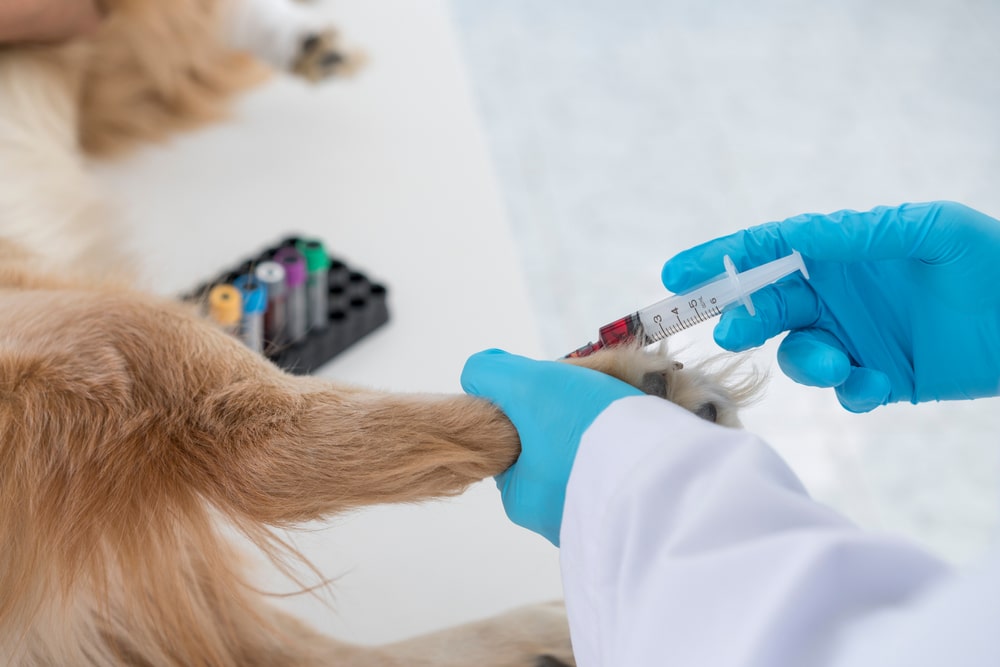
- Vitamin K1 therapy for anticoagulant poisoning, given by injection initially and then orally for several weeks
- IV fluids to support hydration and kidney function
- Calcium-lowering treatments for cholecalciferol toxicity, including diuretics, calcitonin, or bisphosphonates
- Anti-seizure medications for bromethalin or strychnine cases
- Oxygen therapy for pets with respiratory distress
- Hospitalization with continuous monitoring for moderate to severe cases
Early intervention significantly improves outcomes for every type of rodenticide exposure. Pets treated within the first few hours after ingestion, before symptoms develop, generally have excellent prognoses.
How Do You Manage Severe Bleeding and Complications?
For pets who arrive with active bleeding or severe anemia from anticoagulant rodenticide exposure, additional interventions may be required alongside antidote therapy.
Anemia in dogs and anemia in cats from acute bleeding can be life-threatening. The treatment options:
- Blood transfusion: replaces lost blood volume and provides immediate clotting factors. Blood transfusions buy time while vitamin K1 therapy takes effect, since the antidote takes 12 to 24 hours to begin restoring clotting function.
- Plasma transfusion: provides clotting factors specifically when red blood cell numbers are still adequate.
- Drainage of blood from the chest or abdomen in severe cases where internal bleeding is compressing organs or impairing breathing.
- Oxygen supplementation for pets with respiratory distress from chest bleeding.
- Continuous monitoring of vital signs, mental status, and bleeding parameters during the critical first 24 to 72 hours.
Cases requiring intensive support are kept hospitalized until clotting parameters are stable and bleeding has resolved.
What Does At-Home Care Look Like After Rodenticide Treatment?
For pets treated for anticoagulant rodenticide poisoning, the home care protocol matters enormously to outcome.
- Daily oral vitamin K1 for 2 to 6 weeks depending on the specific anticoagulant. Newer second-generation anticoagulants (brodifacoum, bromadiolone, difethialone) require longer treatment courses than older products.
- Always give vitamin K1 with a fatty meal. This is not optional. Vitamin K1 is fat-soluble and absorption drops dramatically without dietary fat.
- Complete the entire prescribed course even if your pet seems fully recovered. Stopping early is one of the leading causes of life-threatening relapse.
- Activity restriction during initial recovery to prevent injury and bleeding.
- Monitor for warning signs: bruising, weakness, pale gums, lethargy, blood in urine or stool. Call us immediately if any develop.
- Follow-up bloodwork at the end of treatment, typically including PT/PTT testing 48 hours after the last vitamin K1 dose to confirm clotting has remained normal off treatment.
The temptation to stop medication when your pet looks better is understandable but dangerous. The half-life of second-generation anticoagulants is long, and the pet’s own clotting factors take time to recover fully.
How Do You Prevent Rodenticide Exposure in the Future?
The best treatment is the one you never need. Pet-proofing your home is the best way to start:
- Avoid rodenticides on your own property whenever possible. Snap traps and electronic traps work for indoor rodent issues without poison risk.
- Know that tamper-resistant bait stations are not entirely pet-proof. Determined dogs can still access bait. Place stations where pets absolutely cannot reach them.
- Lock up rodenticide products completely. Garage shelves, basement corners, and outdoor sheds are common access points.
- Be vigilant during walks through alleys, vacant lots, and areas where neighbors or commercial properties may have placed bait. Watch what your dog picks up.
- Inform everyone in your household about pet safety around rodenticides, especially when grandparents, friends, or pet sitters are caring for your pet.
- Talk with neighbors if you live in close proximity, since boundaries between yards mean nothing to dogs.
Regional rodent activity varies. In Milwaukee, both warm and cold seasons can produce rodent issues that prompt residents to use baits. Awareness during transition seasons matters.
For pet-safe alternatives, professional pest control companies can often address rodent issues with traps and exclusion methods rather than poisons. The conversation is worth having before reaching for chemical control.
Our wellness and preventative care includes discussion of household hazards as part of comprehensive pet safety planning.
Why Speed and Communication Matter Most
Rodenticide exposure is always an emergency, even when your pet seems fine in the moments after. The combination of palatability, delayed symptom onset, and the genuinely life-threatening nature of these toxins means immediate action saves lives. Outcomes are best when families call within an hour of suspected exposure rather than waiting to see what happens.
Our team is equipped and ready to provide expert, compassionate care through diagnosis, treatment, and recovery. Our emergency services for dogs and cats in Greenfield are available during our regular business hours- just call us and we’ll let you know what to do. We would rather hear from you when nothing has happened yet than have you arrive after the fact.





Leave A Comment